Credit Cards in Austria: In-Depth Research (2026)

Updated: June 29 2026| Found helpful by 17 others
Austria's card market is now three overlapping markets: traditional bank cards with monthly settlement, stand-alone revolving cards from Advanzia (free.at) and TF Bank, and app-led debit alternatives from N26, Revolut, and Trade Republic. The cheapest true credit cards are the free Mastercard Gold and TF Mastercard Gold at €0 annual fee. The most transparent Austrian bank disclosures sit at Bank Direkt, DADAT, BAWAG, and easybank. Best premium travel value: card complete World Traveller Gold at €98.40/year; best premium service: American Express Platinum at €690/year.
Find your cardJump to section
What does the Austrian credit-card market look like in 2026?
Austria's card market splits into three overlapping segments: bank-issued credit cards with monthly settlement and optional instalments, stand-alone revolving cards from specialist lenders, and a fast-growing layer of app-led debit alternatives. The reliable way to compare the market is to use comparison crawls as a discovery seed and verify every fee against the issuer's own product page.
For users who always pay in full, the strongest true-credit value propositions are still the fee-free stand-alone cards: free Mastercard Gold and TF Mastercard Gold. For Austrian bank cards, Bank Direkt, DADAT, easybank, and BAWAG have the most transparent public fee-and-limit disclosures, while card complete is the most structurally important white-label issuer because its cards appear both directly and behind partner brands such as bank99 and parts of the DADAT offer.
The premium segment splits cleanly into two philosophies: card-complete-style travel cards that price lounge and insurance access in a predictable annual fee, and Amex-style premium cards that bundle lounges, status benefits, and stronger service at much higher run-rate cost and with income thresholds. Real-world traps: immediate interest on cash withdrawals for some "free" cards, insurance that activates only if the card was used recently, and the fact that N26, Revolut, and Trade Republic are payment-card alternatives, not true credit cards.
Austria is also strongly contactless. The Oesterreichische Nationalbank (OeNB) reports that 95% of debit-card POS payments were already contactless by end-2024, and Austrian online-commerce spend hit €10.6 billion in 2024. That is why wallet support, 3D Secure, virtual cards, and instant digital provisioning matter far more in 2026 product selection than they did a few years ago.
By transaction count, about 84.9% of Austrian card payments in 2025 used debit cards, 11.2% used delayed-debit, and only 3.6% were true credit-function cards (OeNB, 2025), which confirms Austria is structurally a debit market.
Which card matches your needs?
Filter the catalogue
64 of 64 cards match
Segment
Network
Audience
Annual fee
Must-have features
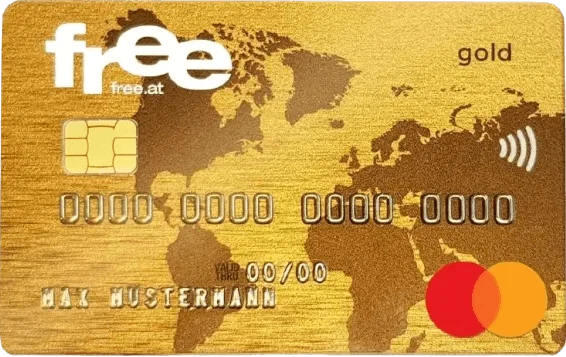
Advanzia / free.at
free Mastercard Gold
- Year-1 fee
- €0
- Renewal
- €0
- FX fee
- None
- +Travel insurance
- +Avis discount up to 20%
- +Contactless payments
- +Optional partial payment
- !Cash withdrawals are interest-bearing from the booking day
- !Verify current SECCI for exact APR before relying on rate

TF Bank
TF Mastercard Gold
- Year-1 fee
- €0
- Renewal
- €0
- FX fee
- None
- +Travel insurance
- +Apple Pay
- +Google Pay
- +Mastercard Identity Check
- !Insurance requires at least 50% of transport costs paid on card
- !Cash and transfer transactions accrue interest from booking day
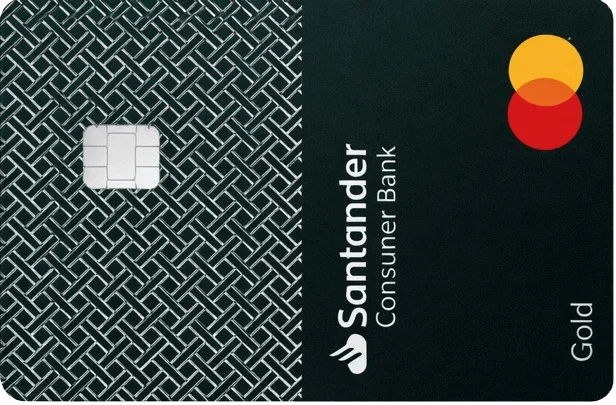
Santander Consumer Bank
Santander Card
- Year-1 fee
- n/a
- Renewal
- n/a
- Limit
- EUR 2,000
- +1% cashback up to €50/year
- !Cashback excludes ATM and cash withdrawals
- !Fee table not fully published
Deutsche Kreditbank
DKB Visa Kreditkarte
- Year-1 fee
- €29.88
- Renewal
- €29.88
- FX fee
- None
- +Apple Pay
- +Google Pay
- +Visa Secure
- +Emergency card and emergency cash worldwide
- !Requires DKB current account
- !Test Austrian-resident onboarding before relying on it
Bank Direkt
Bank Direkt Classic
- Year-1 fee
- €14.88
- Renewal
- €22.2
- Limit
- EUR 2,500
- +Transparent fixed pricing
- +Visa or Mastercard choice
Bank Direkt
Bank Direkt Gold
- Year-1 fee
- €36.6
- Renewal
- €73.08
- Limit
- EUR 4,000
- +Travel insurance
- +Visa or Mastercard choice
Bank Direkt
Bank Direkt Platinum
- Year-1 fee
- €127.2
- Renewal
- €127.2
- Limit
- EUR 10,000
- +Premium bank card
- +Higher card limit
DADAT
DADAT Visa Classic
- Year-1 fee
- €12
- Renewal
- €12
- Limit
- EUR 2,000
- +Visa Secure
- +Apple Pay
DADAT
DADAT Visa Classic with insurance
- Year-1 fee
- €24
- Renewal
- €24
- Limit
- EUR 2,000
- +Travel insurance
- +Visa Secure
DADAT
DADAT Visa Gold
- Year-1 fee
- €0
- Renewal
- €80.4
- Limit
- EUR 3,000
- +Travel insurance including cancellation
- +Apple Pay
DADAT
DADAT Visa Platinum
- Year-1 fee
- €138.6
- Renewal
- €138.6
- Limit
- EUR 7,500
- +Vienna airport lounge access
- +Higher insurance cover
prepaid
D
DADAT
DADAT Visa Prepaid
- Year-1 fee
- n/a
- Renewal
- n/a
- +Spending capped to loaded balance
DADAT
DADAT Visa Debit
- Year-1 fee
- n/a
- Renewal
- n/a
- +Visa Debit
- +Account-linked spending
- !Not a credit card
BAWAG
BAWAG Kreditkarte WEISS
- Year-1 fee
- €24.72
- Renewal
- €24.72
- Limit
- EUR 2,200
- +Shopping protection
- +Optional instalments
BAWAG
BAWAG Kreditkarte GOLD
- Year-1 fee
- €67.92
- Renewal
- €67.92
- Limit
- EUR 3,000
- +Travel insurance
- +Purchase protection
- +2 Vienna lounge visits per year
BAWAG
BAWAG Kreditkarte GOLD Studenten
- Year-1 fee
- €0
- Renewal
- €30.76
- Limit
- EUR 3,000
- +Travel and purchase protection
- +Student-friendly fee waiver
BAWAG
BAWAG Kreditkarte GOLD Lehrlinge
- Year-1 fee
- €0
- Renewal
- €0
- Limit
- EUR 1,000
- +Travel and purchase protection
- +Apprentice fee waiver
business credit
B
BAWAG
BAWAG Business Classic
- Year-1 fee
- €31
- Renewal
- €31
- Limit
- EUR 2,200
- +Business purchase protection
- +Optional travel cover
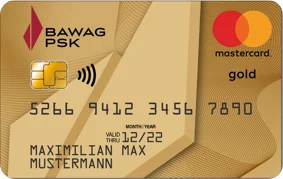
BAWAG
BAWAG Business Gold
- Year-1 fee
- €64
- Renewal
- €64
- Limit
- EUR 5,000
- +Business travel insurance
- +Fast Track at Vienna airport
- +Discounted lounge access

easybank
easy kreditkarte
- Year-1 fee
- €12
- Renewal
- €12
- Limit
- EUR 2,000
- +Account-linked
- +Mobile banking
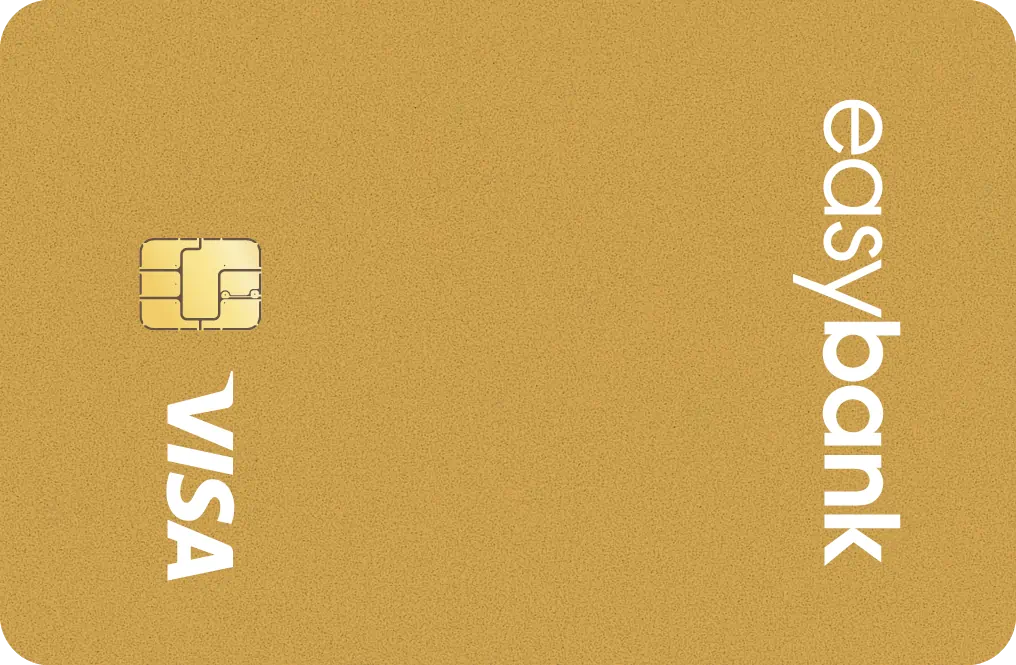
easybank
easy kreditkarte gold
- Year-1 fee
- €35.88
- Renewal
- €59.88
- Limit
- EUR 3,000
- +Travel insurance
- +Apple Pay
- +Google Pay
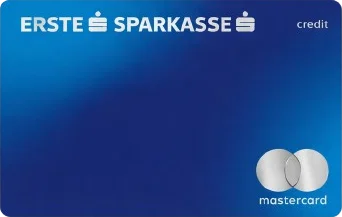
Erste Bank / Sparkasse
Erste Smartcard Mastercard
- Year-1 fee
- n/a
- Renewal
- n/a
- +George banking app integration
- +Mobile wallet
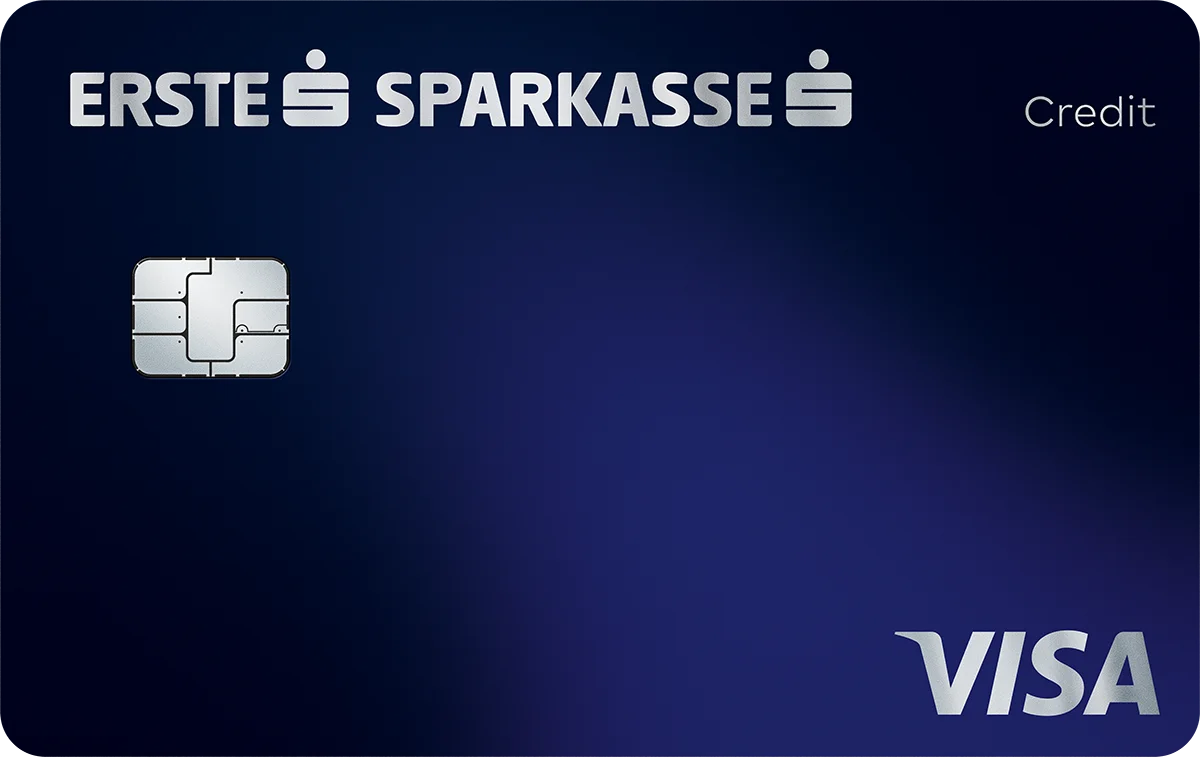
Erste Bank / Sparkasse
Erste Premiumcard Visa
- Year-1 fee
- n/a
- Renewal
- n/a
- +Travel insurance via George Reisepaket
- +Lounge access at Vienna Airport
- +George cashback partners

Erste Bank / Sparkasse
Erste Premiumcard Mastercard
- Year-1 fee
- n/a
- Renewal
- n/a
- +Travel insurance via George Reisepaket
- +Lounge access at Vienna Airport
- +George cashback partners
Erste Bank / Sparkasse
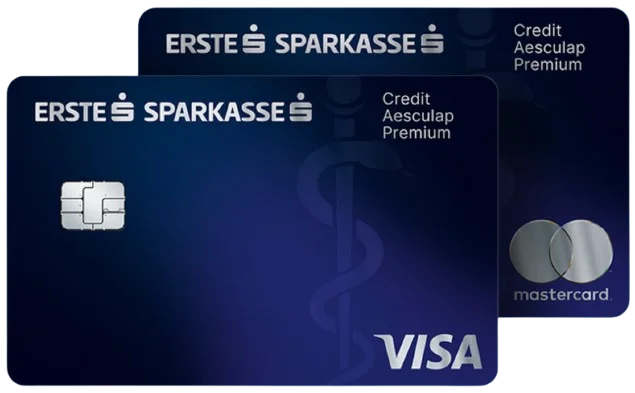
Erste Aesculap Premium
- Year-1 fee
- n/a
- Renewal
- n/a
- +Premium card for medical professionals
- +Travel insurance via George Reisepaket
- +Lounge access at Vienna Airport
- +Aerzte-tailored partner benefits
credit
EB
Erste Bank / Sparkasse
Austrian Miles & More Premiumcard
- Year-1 fee
- €237.6
- Renewal
- €237.6
- +1 mile per €1.50 eligible spend
- +4 Priority Pass lounge entries per year
- +3,000 mile welcome bonus plus 40 Points
- +Apple Pay

Bank Austria (UniCredit)
Bank Austria Mastercard Classic
- Year-1 fee
- n/a
- Renewal
- n/a
- +Apple Pay
- +Google Pay
- +App-based online authorisation

Bank Austria (UniCredit)
Bank Austria Mastercard Gold
- Year-1 fee
- €0
- Renewal
- €65
- +Travel insurance
- +CashBack Mobile
- +CashbackOnline shop with 600+ partners
- +Apple Pay

Bank Austria (UniCredit)
Bank Austria Gold Student
- Year-1 fee
- €0
- Renewal
- €0
- +Free for five contract years
Bank Austria (UniCredit)
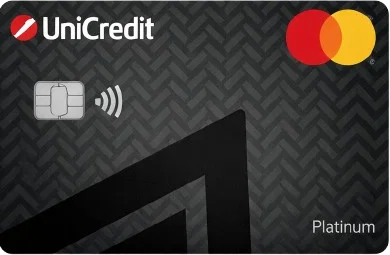
Bank Austria Mastercard Platinum
- Year-1 fee
- n/a
- Renewal
- n/a
- +Priority Pass
- +Travel insurance
- +Apple Pay
Bank Austria (UniCredit)
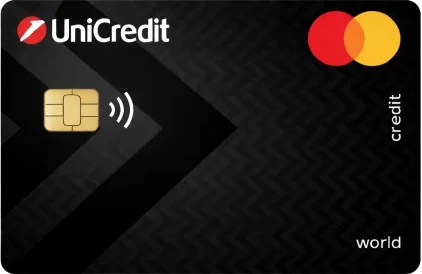
Bank Austria Mastercard World
- Year-1 fee
- n/a
- Renewal
- n/a
- +Priority Pass
- +FastTrack at Vienna airport
- +Higher travel insurance cover
Bank Austria (UniCredit)
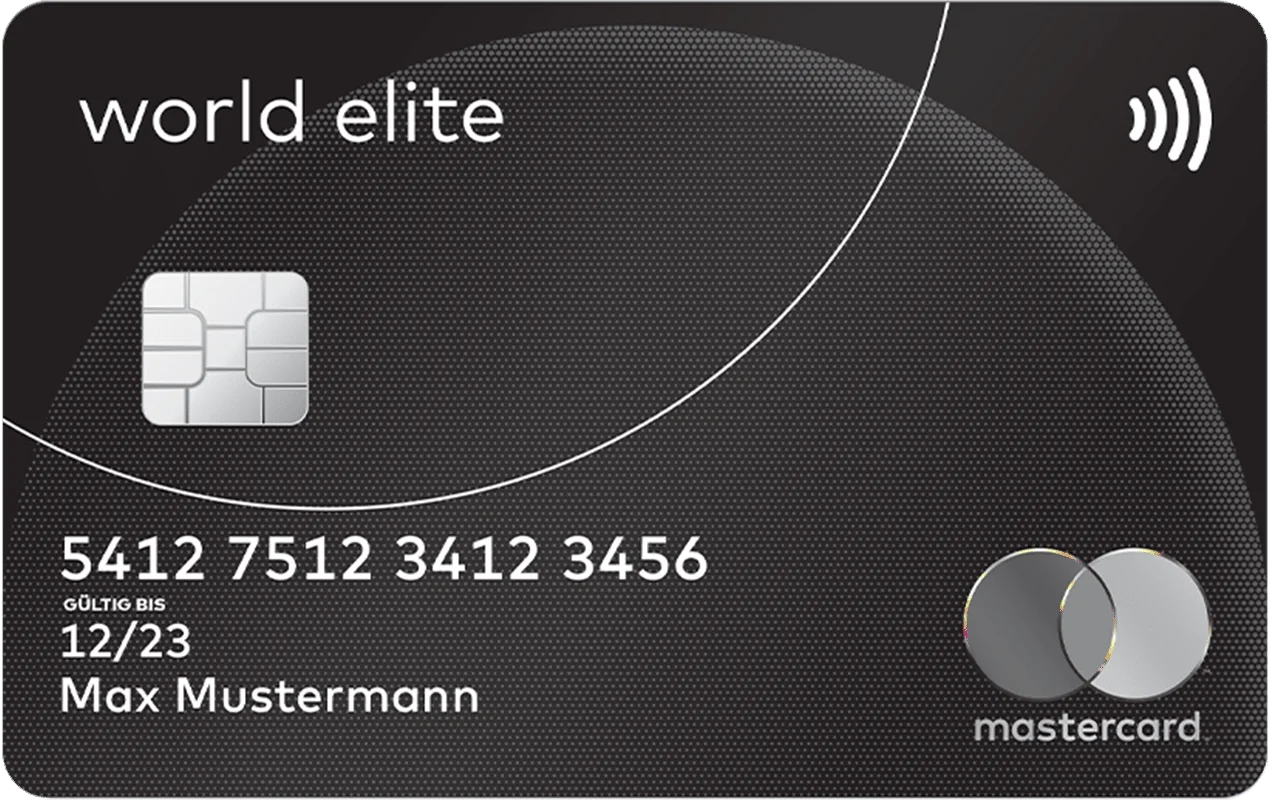
Bank Austria Mastercard World Elite
- Year-1 fee
- n/a
- Renewal
- n/a
- +24/7 concierge
- +Priority Pass
- +FastTrack at Vienna airport
- +Premium travel insurance
credit
CC
card complete
Classic Card without insurance
- Year-1 fee
- €12
- Renewal
- €21.6
- +Entry-level Visa or Mastercard
credit
CC
card complete
Classic Card with insurance
- Year-1 fee
- €24
- Renewal
- €66
- +Travel insurance
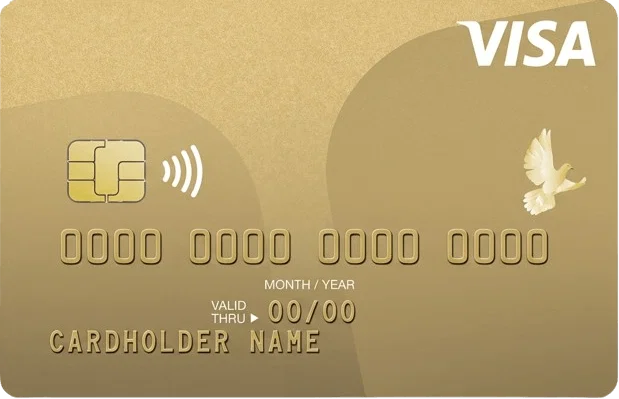
card complete
Gold Card
- Year-1 fee
- €36
- Renewal
- €80.4
- +Worldwide travel insurance
- +Cancellation cover
- +Travel insurance ceiling up to €750,000
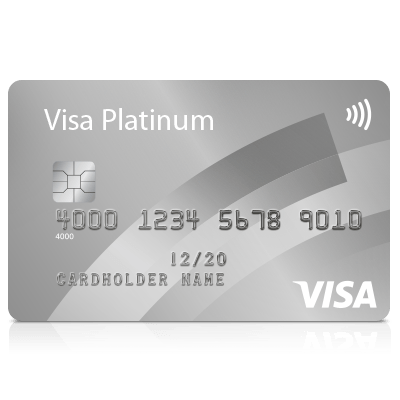
card complete
Platinum Card
- Year-1 fee
- €138.6
- Renewal
- €138.6
- +Premium insurance
- +Vienna airport lounge access
- +FastTrack at Vienna airport
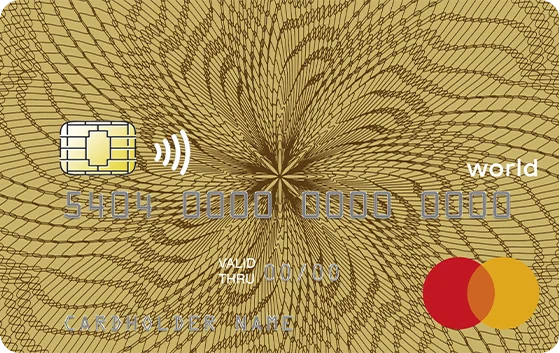
card complete
Mastercard World Traveller Gold
- Year-1 fee
- €98.4
- Renewal
- €98.4
- +4 Vienna lounge visits per year
- +4 FastTrack uses
- +Avis discount up to 20%
- +Cancellation cover
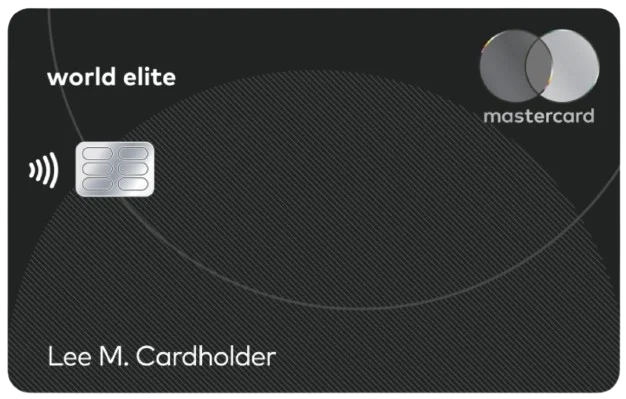
card complete
Mastercard World Traveller Black
- Year-1 fee
- €198.96
- Renewal
- €198.96
- +Unlimited Vienna lounge access for cardholder + 1 guest
- +4 FastTrack uses
- +Higher baggage and accident cover
card complete
Student Card
- Year-1 fee
- €0
- Renewal
- €38.4
- +€25 start bonus
card complete
Prepaid Card
- Year-1 fee
- €18
- Renewal
- €18
- +2 free ATM withdrawals per statement
- +Loaded-funds prepaid card
PayLife
PayLife Classic
- Year-1 fee
- n/a
- Renewal
- n/a
- +Entry-level PayLife card
- +Optional instalments
PayLife
PayLife Gold
- Year-1 fee
- n/a
- Renewal
- n/a
- +Travel insurance package
- +Higher card limit
PayLife
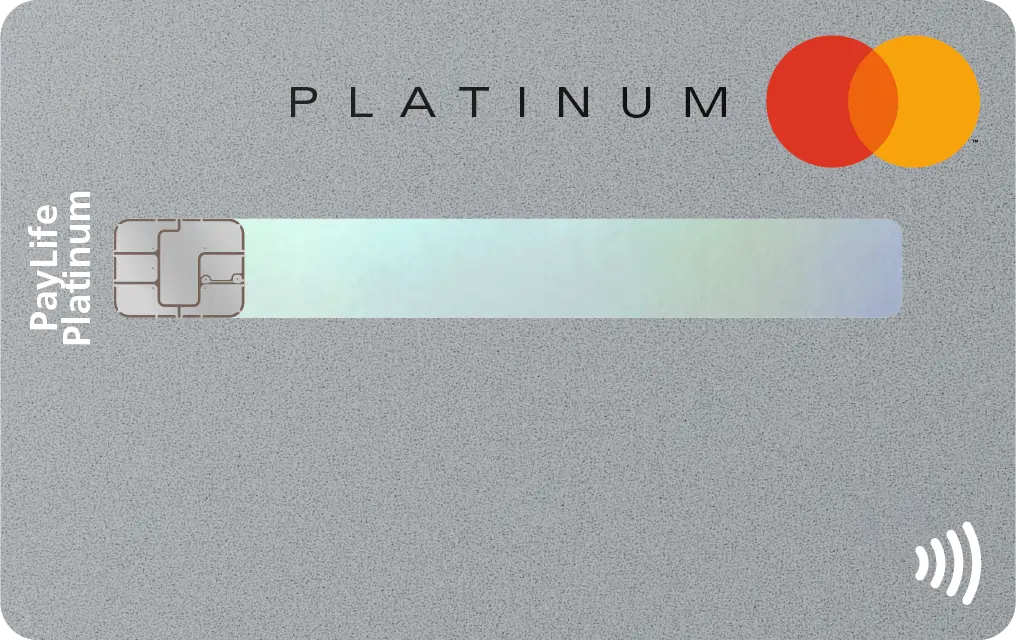
PayLife Platinum
- Year-1 fee
- n/a
- Renewal
- n/a
- +Premium travel insurance
- +Higher cover multiples
- +Concierge service
PayLife
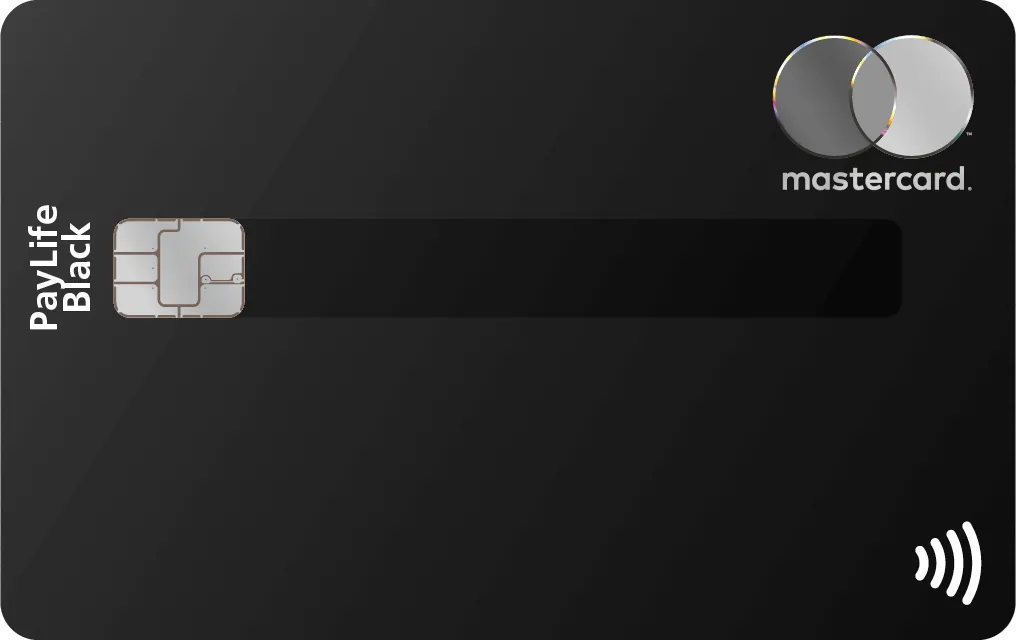
PayLife Black Visa
- Year-1 fee
- €122.7
- Renewal
- €122.7
- +Black Bonustravel: free European return flight after €7,500/year spend
- +Vienna-airport lounge access
- +Premium travel insurance
PayLife
PayLife Black World Mastercard
- Year-1 fee
- €122.7
- Renewal
- €122.7
- +Black Bonustravel: free European trip after €7,500/year spend
- +Vienna-airport lounge access
charge
DC
Diners Club Austria
Diners Club Classic
- Year-1 fee
- n/a
- Renewal
- n/a
- +Travel insurance package
- +Lounge access
Diners Club Austria
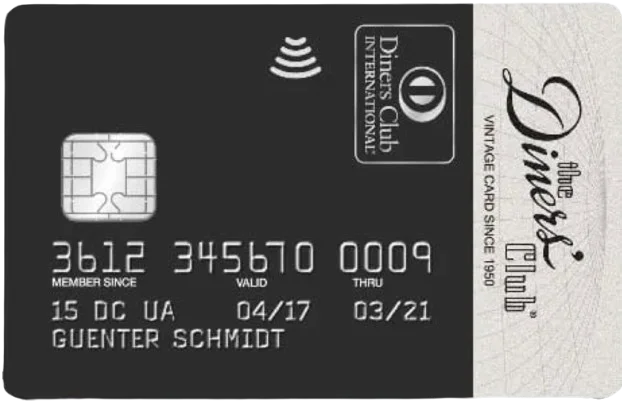
Diners Club Vintage
- Year-1 fee
- €199.08
- Renewal
- €199.08
- +Premium insurance with higher cover multiples
- +8 airport lounge visits
- +Optional Miles & More conversion

American Express Austria
American Express Gold Card
- Year-1 fee
- €192
- Renewal
- €192
- +1 Membership Rewards point per €1
- +Travel medical up to €220,000
- +Cancellation up to €3,000
- +Flight delay up to €200
American Express Austria
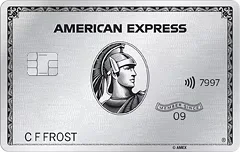
American Express Platinum Card
- Year-1 fee
- €690
- Renewal
- €690
- +Priority Pass and Amex lounge collection
- +Fast Track Vienna
- +Hotel and rental status
- +Travel medical without cap
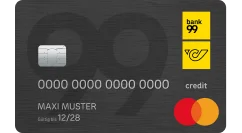
bank99 / card complete
bank99 Classic
- Year-1 fee
- €0
- Renewal
- €21.6
- +First-year fee waived for eligible bank99 customers
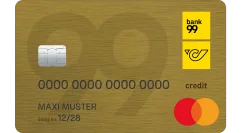
bank99 / card complete
bank99 Gold
- Year-1 fee
- €0
- Renewal
- €80.4
- +Travel insurance via card complete
- +First-year fee waived for eligible bank99 customers
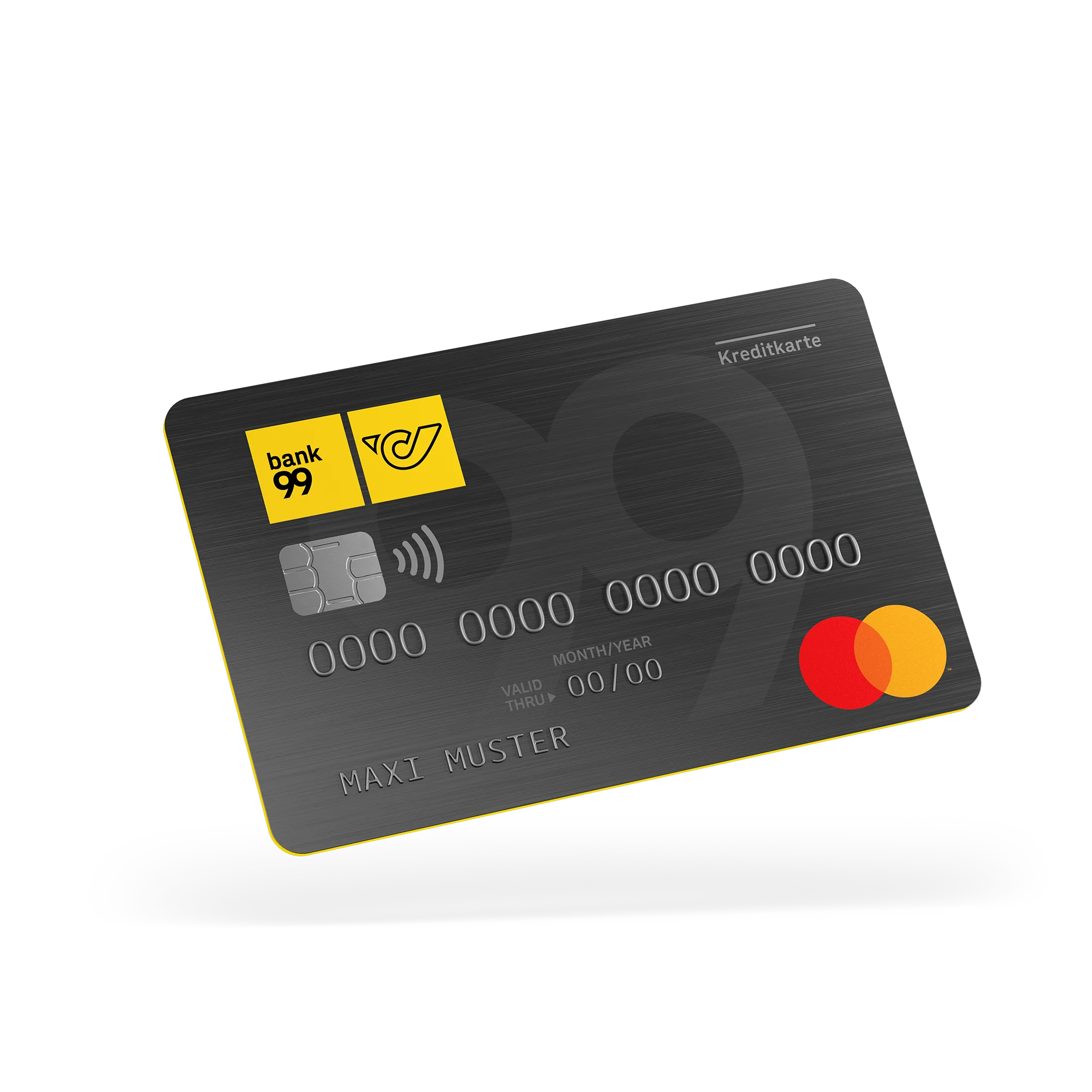
bank99 / card complete
bank99 Platinum
- Year-1 fee
- €0
- Renewal
- €138.6
- +Premium insurance via card complete
- +Vienna lounge access in product family
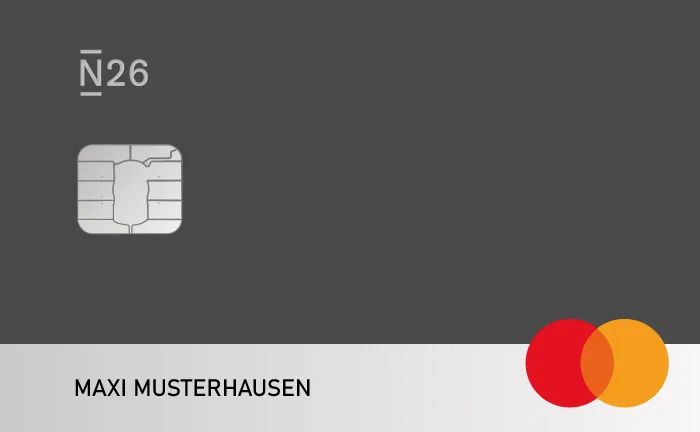
N26
N26 Standard
- Year-1 fee
- €0
- Renewal
- €0
- +Virtual card
- +2 free EUR ATM withdrawals per month
- !Not a true credit card
N26
N26 Smart
- Year-1 fee
- €58.8
- Renewal
- €58.8
- +Physical debit card
- +Budgeting features
- !Not a true credit card
N26
N26 Go
- Year-1 fee
- €118.8
- Renewal
- €118.8
- +Travel insurance
- +Free foreign ATM withdrawals
- +1% travel cashback
- !Not a true credit card
N26
N26 Metal
- Year-1 fee
- €202.8
- Renewal
- €202.8
- +Steel card
- +Phone and purchase insurance
- +Lounge pass
- +Travel insurance
- !Not a true credit card
N26
N26 Business Standard
- Year-1 fee
- €0
- Renewal
- €0
- +Cashback for self-employed
- +Mobile-first banking
- !Not a true credit card
- !Account must be in personal name, not company name
- !One N26 account per person

Revolut
Revolut Standard
- Year-1 fee
- €0
- Renewal
- €0
- +Multi-currency account
- +Virtual cards
- !Not a true credit card
- !Card-shipping fees may apply
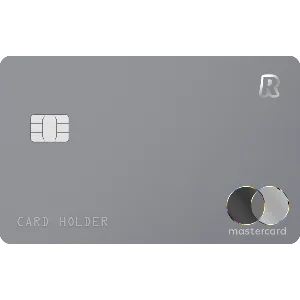
Revolut
Revolut Premium
- Year-1 fee
- €90
- Renewal
- €90
- +0% FX up to limit
- +Travel medical insurance
- +Higher ATM allowance
- !Not a true credit card
- !Verify Austrian fee table at sign-up
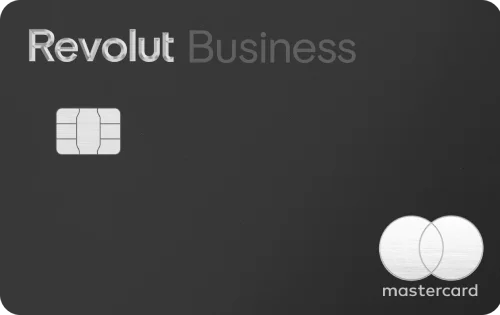
Revolut
Revolut Business
- Year-1 fee
- n/a
- Renewal
- n/a
- +Company cards
- +Employee cards
- +Virtual cards
- +Multi-currency accounts
- !Not a true credit card
- !Pricing varies by plan

Trade Republic
Trade Republic Card
- Year-1 fee
- €0
- Renewal
- €0
- FX fee
- None
- +1% Saveback into ETF
- +Free ATM withdrawals from €100
- !Not a true credit card
- !Saveback caps and terms apply

Wise
Wise Multi-Currency Card
- Year-1 fee
- n/a
- Renewal
- n/a
- +Hold and convert 40+ currencies at the mid-market rate
- +Free ATM withdrawals up to a monthly cap
- +Apple Pay
- +Google Pay
- !Not a true credit card
- !Conversion fees apply above free tier

Wüstenrot
Wüstenrot Classic
- Year-1 fee
- n/a
- Renewal
- n/a
- +Entry-level Wüstenrot card
- +Wüstenrot account integration

Wüstenrot
Wüstenrot Debit
- Year-1 fee
- n/a
- Renewal
- n/a
- +Wüstenrot account-linked debit
- !Not a credit card
Sources: Issuer product pages (April 2026 verification), OeNB payment statistics, FMA consumer-credit framing, EU PSD2.
The grid below contains every Austrian credit card and payment-card alternative covered in the research. Filter by segment, network, audience, annual fee, and must-have features. Search hits card name, issuer, segment, network, and benefits.
How was this research compiled?
The research used a strict source hierarchy: issuer product pages first, Austrian supervisory or public-interest sources second, established comparison sites third, and user-facing review themes only where supported by issuer complaint and dispute pages. Capitalo's Austrian comparison page surfaced a ranked subset, but the visible HTML did not expose every product row, so it served only as a discovery seed.
A methodological distinction matters for site architecture: N26, Revolut, and Trade Republic primarily offer debit-style payment cards attached to accounts, not classic revolving or delayed-debit credit cards. They are included only because the page is intentionally broaderthan "true credit cards" and instead covers payment and travel cards available to Austrian residents.
Who issues credit cards in Austria?
The verified live universe maps to 11 issuer families that actively market credit or payment cards in Austria as of April 2026:
- American Express Austria: Platinum, Gold, BMW Card Gold, BMW Card, Business Gold, Business.
- Erste Bank / Sparkasse: Smartcard Visa/Mastercard, Premiumcard Visa/Mastercard, Austrian Miles & More Premiumcard, plus business equivalents.
- Bank Austria: Mastercard Classic, Gold, Gold Student, Platinum, World, World Elite plus business Preferred and Business World.
- Bank Direkt: Classic, Gold, Platinum on Visa or Mastercard.
- DADAT: Visa Classic, Visa Gold, Visa Platinum, Visa Prepaid.
- BAWAG: Kreditkarte WEISS, GOLD, GOLD Studenten, GOLD Lehrlinge, Business Classic, Business Gold.
- easybank: easy kreditkarte and easy kreditkarte gold, with PayLife Business Gold for business packages.
- card complete direct: Classic, Classic with insurance, Gold, Platinum, World Traveller Gold, World Traveller Black, Student, Prepaid.
- Diners Club Austria: Classic, Gold, Golf, Vintage, Student plus business and corporate lines.
- PayLife: PayLife Black Visa and PayLife Black World Mastercard.
- Stand-alone non-bank issuers: free Mastercard Gold (Advanzia), TF Mastercard Gold, Santander Card, DKB Visa.
- Fintech alternatives: N26, Revolut, Trade Republic - all primarily debit, not true credit.
Which cards have the lowest fees in Austria?
| Card | Fee yr 1 | Fee renewal | Grace | FX | Cash trap |
|---|---|---|---|---|---|
| free Mastercard Gold | €0 | €0 | Up to 7 weeks | 0% | Interest from day 1 on cash |
| TF Mastercard Gold | €0 | €0 | Up to 51 days | 0% | Interest from day 1 on cash |
| DKB Visa Kreditkarte | €29.88 | €29.88 | Monthly | 0% | Requires DKB Girokonto |
| Santander Card | n/a | n/a | Instalment | ~1.85% | Cashback excludes ATM |
Austria still has a meaningful stand-alone revolving segment where price competition is harsher than in the account-bundled bank segment. The cheapest headline fee is not always the cheapest real-world use case.
How do Austrian bank credit-card ladders compare?
Among Austrian banks, DADAT and Bank Direkt are the most publication-ready because their product pages expose both fees and limits with relatively little ambiguity. Bank Direkt publishes first-year and renewal monthly pricing, the card limit, and a very short post-statement payment window of 3 days. DADAT publishes annual or monthly fees, card limits, and benefit differences across Classic, Gold, and Platinum.
Bank Austria is important for a deep page because its benefits are richer than its crawler-exposed price detail. Official pages confirm Apple Pay and Google Pay, app-based online-payment authorisation, travel insurance on Gold and above, Priority Pass on Platinum, World, and World Elite, FastTrack at Vienna airport on World and World Elite, 24/7 concierge on World Elite, and a monthly SEPA direct-debit settlement on the 27th. One real limitation: Bank Austria's private credit cards currently do not offer partial-payment instalments.
Erste Bank and Sparkasse remain the most important domestic loyalty story. The Austrian Miles & More Premiumcard sits in the main Sparkasse family for both consumer and business users. The private Premiumcard is currently advertised at €19.80 per month, with 1 mile per €1.50 eligible spend, 4 Priority Pass lounge entries per year, and a welcome bonus of 3,000 miles plus 40 Points for new openings.
Which premium travel cards are worth the fee?
| Card | Annual fee | Lounge | Top travel benefit |
|---|---|---|---|
| Amex Gold | €192 | Vienna lounge | Travel medical to €220k |
| Amex Platinum | €690 | Priority Pass + Amex collection | Cancellation to €6k |
| card complete Gold | €36 yr 1, €80.40 renewal | No | Insurance ceiling €750k |
| card complete Platinum | €138.60 | Vienna lounge + FastTrack | Premium insurance |
| Mastercard World Traveller Gold | €98.40 | 4 Vienna visits | Liability €750k |
| Mastercard World Traveller Black | €198.96 | Unlimited Vienna + 1 guest | Baggage €5k |
| PayLife Black | €122.70 | Vienna lounge | Free EU return after €7,500 spend |
| Diners Vintage | €199.08 | 8 lounge visits | Optional Miles & More conversion |
Diners Club remains live but is materially less universally accepted in everyday Austrian retail than Visa or Mastercard. That makes it a specialist card, not a bad card.
The practical difference between Amex and the Austrian Visa/Mastercard travel cards is not just branding. Amex Platinum ships the strongest premium-service package, but also the highest disclosed income threshold (€2,401/month) and highest run-rate cost (€690/year). card complete World Traveller often looks better for users who specifically want Vienna-airport lounge value but do not need hotel status, dining credits, or the broader Amex lifestyle stack.
Are N26, Revolut, and Trade Republic credit cards?
Usually no. N26 and Revolut primarily market debit Mastercard / Visa tied to current accounts. Trade Republic runs a Visa-linked investing-payment card with 1% Saveback into ETFs. Their value is real, but materially different from a true revolving or delayed-debit credit card. If a comparison page is titled "Kreditkarten in Österreich," these belong in a clearly labelled alternatives section, not in the main fee/APR ranking.
One reason this matters: hotels and car-rental firms still often prefer or require a real credit card rather than a debit card for deposits in some markets. That alone justifies keeping the two card types separated in site structure.
What does each card cost in real-world use?
| User profile | Best fits | Year-1 fixed cost |
|---|---|---|
| Low spender, domestic, no cash | free Mastercard Gold; TF Mastercard Gold; Bank Direkt Classic; BAWAG WEISS; DKB Visa | €0 / 0 / 14.88 / 24.72 / 29.88 |
| Average spender, wants travel cover | DADAT Gold; easy kreditkarte gold; card complete Gold; Bank Direkt Gold | €0 / 35.88 / 36 / 36.60 |
| Frequent traveller, lounge + service | World Traveller Gold; card complete Platinum; DADAT Platinum; Amex Gold; N26 Metal; Amex Platinum | €98.40 / 138.60 / 138.60 / 192 / 202.80 / 690 |
The cleanest way to model Austrian cards is to separate fixed cost from usage cost. A defensible formula: total first-year cost = first-year annual fee + issuer FX fees + issuer ATM fees + interest on revolved balance or cash withdrawals. For most pay-in-full domestic use cases the first-year cost is effectively just the annual or monthly fee. Cash withdrawals or instalments break that.
What are the real-world traps to watch for?
Cash-withdrawal marketing
free Mastercard Gold states zero issuer ATM fee, but its conditions page also makes clear that cash withdrawals are interest-bearing. TF Bank says the same in simpler language. Always treat ATM fee and cash-advance interest as two separate fields when comparing cards.
Insurance activation
TF Bank requires at least 50% of total transport costs on the card. card complete requires the card to have been used within 2 months before the claim. Bank Austria applies the same 2-month usage rule. Insurance you assumed was automatic may not pay out.
Product type confusion
Hotels and car-rental firms may prefer or require a real credit card, not a debit card, for deposits. N26, Revolut, Trade Republic cards are debit by default, even at premium tiers. Keep a true credit card available if you book hotels or rent cars internationally.
How are Austrian credit cards regulated?
The Finanzmarktaufsicht (FMA) explicitly includes credit-card credit under consumer credit, warns that consumer credit can be expensive and variable, and urges consumers to compare the full cost before signing. At EU level, Payment Services Directive 2 (PSD2) bans surcharges for most consumer debit and credit cards, imposes strong customer authentication (3D Secure or issuer-app approval), and reduces consumer liability for unauthorised payments from €150 to €50, absent fraud or gross negligence.
For chargebacks, the practical reality is hybrid. PSD2 covers unauthorised payments, but many disputes still go through card-scheme procedures and issuer complaint flows. Bank Austria points cardholders to complaint and fraud-reporting forms and a 24-hour service line; easybank surfaces an Umsatzreklamation flow; card complete advertises 24/7 block service and secure online controls.
The Oesterreichische Nationalbank (OeNB) reports that contactless card use is now the Austrian default, with 95% of debit-card POS payments contactless by end-2024 and online-commerce spend at €10.6 billion in 2024. Mobile wallets, app-based card controls, virtual cards, and wallet compatibility now belong in any serious comparison schema.
Frequently Asked Questions
What is the best no-fee credit card in Austria?
For pure cost, the free Mastercard Gold (Advanzia / free.at) and the TF Mastercard Gold are the cheapest true credit cards in Austria. Both have a €0 annual fee, no foreign-currency fee from the issuer, and travel insurance. They become less cheap once you withdraw cash, since interest accrues from the booking day.
Which Austrian credit cards include travel insurance?
Travel insurance ships with the free Mastercard Gold, TF Mastercard Gold, DADAT Visa Gold and Platinum, BAWAG GOLD tiers, easy kreditkarte gold, card complete Gold, Platinum, and World Traveller, Bank Austria Gold and above, Erste Premiumcard, Amex Gold and Platinum, Diners Vintage, and PayLife Black. Activation rules differ: TF requires at least 50% of transport costs paid on the card, card complete requires the card to have been used in the last two months, and Bank Austria has a similar two-month usage rule.
Which cards in Austria offer airport-lounge access?
Vienna airport lounge access is offered on DADAT Visa Platinum, BAWAG GOLD (2 visits per year), card complete Platinum and World Traveller, Bank Austria Platinum, World, World Elite, Erste Austrian Miles & More Premiumcard (4 Priority Pass entries per year), PayLife Black, Diners Vintage (8 visits per year), Amex Gold, and Amex Platinum (Priority Pass plus Amex lounge collection).
Are N26 and Revolut real credit cards in Austria?
Usually no. In Austria, N26 and Revolut primarily market debit cards attached to current accounts or multi-currency accounts. Trade Republic Card is also a debit-style investing card, not a credit card. They are best treated as alternatives to credit cards, not as classic revolving or delayed-debit credit cards.
Which Austrian cards work best for Miles & More?
Erste Bank and Sparkasse run the deepest Austrian Miles & More integration, with the Austrian Miles & More Premiumcard for private users at €19.80 per month, 1 mile per €1.50 eligible spend, four Priority Pass lounge entries per year, and a 3,000 mile welcome bonus. Diners Club Austria also offers optional Miles & More conversion on its premium tiers.
Do free ATM withdrawals on Austrian credit cards still incur interest?
Often yes. The free Mastercard Gold advertises no issuer ATM fee, but its conditions warn that cash withdrawals are interest-bearing. TF Bank says the same: purchases can be interest-free for up to 51 days, but cash and transfer transactions accrue interest from the booking day. Treat ATM fee and cash-advance interest as two different fields when comparing cards.
What income do I need for an American Express card in Austria?
American Express Austria publishes income thresholds. The Gold Card requires a net monthly income above €1,651, an Austrian main residence, age 18 or older, and a SEPA bank account. The Platinum Card requires a net monthly income above €2,401 along with the same residence and age requirements.
Can merchants in Austria surcharge card payments?
For most consumer Visa and Mastercard payments, no. The EU Payment Services Directive 2 (PSD2) bans surcharges for most consumer debit and credit cards, applies strong customer authentication for online payments, and reduces consumer liability for unauthorised payments from €150 to €50, absent fraud or gross negligence.
German Terms Glossary
- Kreditkarte
- Credit card
- Jahresgebuehr
- Annual fee
- Kreditrahmen
- Credit limit
- Abrechnung
- Billing statement and settlement run
- Bargeldbehebung
- Cash withdrawal
- Teilzahlung
- Partial-payment / instalment option
- Reiseversicherung
- Travel insurance package
- Umsatzreklamation
- Disputed-transaction complaint
Limitations and Open Questions
This research is rigorous on products whose live public pages exposed enough detail. It is not yet a perfect census of every long-tail Austrian co-brand. In particular, exact renewal-fee matrices for some Bank Austria and Erste / Sparkasse cards, current Austrian Revolut plan prices, detailed insurance PDFs for several bank cards, and fee/benefit pages for Amex BMW and Business cards were not fully extracted in this cut. They should be scraped before any claim of full-census coverage.
Some comparison sites still index discontinued or legacy products. Editorial rule: a card is included in the main comparison only if it has a live official product or application page as of the publication date. A separate legal review is also required before stating a specific Austrian statutory usury cap for credit cards; the sources used here support APR-disclosure, consumer-credit framing, PSD2, and complaints guidance, but not a categorical cap claim.
Sources: Issuer product pages (Advanzia / free.at, TF Bank, Santander, DKB, Bank Direkt, DADAT, BAWAG, easybank, Erste / Sparkasse, Bank Austria, card complete, Diners Club, PayLife, Amex Austria, N26, Revolut, Trade Republic), OeNB payment statistics, FMA consumer-credit framing, EU PSD2. Verification date: May 2026.
Related Guides
Best Credit Cards
Curated top-5 picks for newcomers, with affiliate cards and pros/cons.
User Sentiment Comparison
Brand-perception research on Austrian credit cards from forums and review channels.
Business Credit Cards
Best company cards and corporate spend tools in Austria.
Who Issues Austrian Cards
How card complete, PayLife and Raiffeisen CardService work.
Debit vs Credit Cards
Austria's debit-first market and when credit cards matter.
Credit Card Fees
Cash interest, FX markups and other hidden costs.
Charge & Travel Cards
Amex and Diners premium travel cards.
Prepaid Cards
No-credit-check options for new arrivals.