Skip to content

How to Austria

Section front · Tourism

What should you know to explore Austria? (2026)

Austria welcomes over 40 millionvisitors a year, from Vienna's imperial palaces to the ski resorts of Tyrol. Three passes cut the cost: the Bundesmuseen Card is €59 a year for eight federal museums, which are free under 19; ÖBB Sparschiene fares start at €9.90 (ÖBB, 2026); and since January 2026 the KlimaTicket covers all public transport for €1,400.

By Jules de Bruin, Editor, How to AustriaUpdated 4 dated sources

Key figures, 2026

Bundesmuseen Card
€59
a year, eight federal museums (Bundesmuseen)
Free entry
Under 19
at all federal museums (Bundesmuseen)
ÖBB Sparschiene
€9.90
from, 2nd class, train-bound (ÖBB)
KlimaTicket Classic
€1,400
a year since 1 January 2026 (KlimaTicket Ö)
Contents
  1. 01The short answer
  2. 02By situation
  3. 03Tourism pages
  4. 04Guides
  5. 05Top regions
  6. 06Tips for residents
  7. 07Explore topics
  8. 08Related
  9. 09Questions

How do you explore Austria in 5 situations?

What to do

Your kind of trip decides what pays off. City-break visitors use the €59 Bundesmuseen Card. Rail explorers book Sparschiene from €9.90. Skiers plan for December to March, hikers for June to September, and families pay nothing for under-19s at federal museums.

What each kind of trip in Austria needs, as of November 2026. Figures and sources as stated on each linked page.
City breakMuseum tickets or the Bundesmuseen CardFree sights and first SundaysBundesmuseen Card €59 a yearBuy the card at the first federal museum
Exploring by trainSparschiene or KlimaTicketPostbus to trailheadsSparschiene from €9.90; KlimaTicket €1,400Book 3 to 6 months ahead
SkierLift passResident season passesBest snow December to MarchCompare a super ski pass with day passes
HikerHut reservation for overnight staysRescue cover via Alpenverein or ÖAMTCSeason June to SeptemberCheck the rescue cover you already hold
Family tripFull-fare adult with childrenSchönbrunn Zoo, Carinthian lakesUnder 19 free at federal museumsAdd children to a Sparschiene booking
What each kind of trip in Austria needs, as of November 2026. Figures and sources as stated on each linked page.

I am

City-break visitor

How do you see Vienna's museums and palaces for less?

Vienna's federal museums let visitors under 19 in free, and the Bundesmuseen Card at €59 a year covers eight federal museums, including the Kunsthistorisches Museum and the Belvedere.

Your next step

If you plan two or more federal museums in a year, buy the Bundesmuseen Card at the first one.

Watch out: Spring (April to May) and autumn (September to October) bring fewer crowds than summer.

Required by law

  • Required by law: A ticket per museum, or the Bundesmuseen Card

Recommended

  • Recommended: Free sights: Stephansdom, the Schönbrunn gardens, Stadtpark and Volksgarten
  • Recommended: First-Sunday free entry at many museums

What it costs

Bundesmuseen Card
€59 a year
Under 19, federal museums
free

Resident exploring Austria by train

How do you travel around Austria cheaply by train?

Weekend trips across Austria start at €9.90 with an ÖBB Sparschiene ticket in 2nd class, and the KlimaTicket Ö Classic at €1,400 a year covers every train and bus in all nine provinces.

Your next step

Book Sparschiene fares 3 to 6 months ahead for weekend trips to Salzburg, Innsbruck or Graz.

Watch out: Sparschiene tickets cannot be cancelled and are valid only on the booked train.

Required by law

  • Required by law: A train-bound Sparschiene ticket, or a KlimaTicket

Recommended

  • Recommended: Postbus regional buses to small towns and trailheads
  • Recommended: The Danube cycle path through the Wachau

What it costs

Sparschiene
from €9.90
KlimaTicket Classic
€1,400 a year

Skier

When and where is the best skiing in Austria?

December to March brings the best snow in Tyrol, Salzburg and Vorarlberg, and multi-resort super ski passes cover dozens of resorts for regular skiers.

Your next step

Compare a super ski pass with day passes once you know how many days you will ski.

Watch out: Outside December to March, snow is less reliable: plan ski trips inside that window.

Required by law

  • Required by law: A lift pass for the resort or a multi-resort pass

Recommended

  • Recommended: Season passes and early-bird discounts for residents
  • Recommended: A Gästekarte from your accommodation for local discounts

What it costs

Best snow
December to March
Main regions
Tyrol, Salzburg, Vorarlberg

Summer hiker

What should hikers know about the Austrian Alps?

Austria's hiking season runs June to September, when the Alpine huts are open; an ÖAMTC Schutzbrief or Alpenverein membership already pays mountain rescue and repatriation.

Your next step

Check whether a membership you hold already pays rescue before you buy separate cover.

Watch out: Huts are businesses: bringing your own food is not welcome.

Required by law

  • Required by law: A reservation for an overnight stay in a hut

Recommended

  • Recommended: Alpenverein membership or an ÖAMTC Schutzbrief for rescue cost
  • Recommended: Hut etiquette: boots off at the door, order food, no outside food

What it costs

Season
June to September
Hiking trails
free

Family with children

What does a family trip in Austria cost?

Families in Austria pay nothing for children under 19 at federal museums and under 6 on ÖBB trains, and children aged 6 to 14 ride ÖBB at half price or free on Sparschiene, up to 4 per adult.

Your next step

Book Sparschiene with the children on it, so up to 4 ride free with each adult.

Watch out: Child discounts at private attractions vary: check each one's age limits.

Required by law

  • Required by law: A full-fare adult travelling with the children

Recommended

  • Recommended: Schönbrunn Zoo, the world's oldest zoo
  • Recommended: Carinthian lakes for summer swimming

What it costs

Children 6 to 14, ÖBB
half price
Under 19, federal museums
free

Which attractions do we rank?

Pages

One page ranks Austria's best attractions, from Schönbrunn Palace to Hallstatt, with tips on tickets and timing.

Attractions (1)

Which guides help you travel?

Guides

This section has no guides of its own yet. The guides overview lists every how-to and explainer on the site.

All guides

What are Austria's top regions for tourism?

Reference

Austria welcomes over 40 million tourists annually and offers Alpine skiing, imperial Vienna, the Salzburg music scene, and the Danube valley. Austria's nine federal states each offer distinct experiences. Here are the five top regions for tourism:

  • Vienna (Wien): Imperial palaces like Schönbrunn and Hofburg, world-class museums including the Kunsthistorisches Museum and Albertina, and the famous Viennese coffeehouse culture. Vienna consistently ranks among the most liveable cities in the world.
  • Salzburg: The birthplace of Mozart, filming location for The Sound of Music, and home to the Hohensalzburg Fortress. The Salzburg Festival (Salzburger Festspiele) draws classical music lovers every summer.
  • Tyrol / Innsbruck: Austria's premier Alpine destination for skiing, hiking, and mountain scenery. Innsbruck hosted the Winter Olympics twice and offers direct access to world-class ski resorts.
  • Styria (Steiermark): Known as Austria's wine country with rolling vineyards, the old town of Graz (a UNESCO World Heritage Site), and the green heart of Austria.
  • Carinthia (Kärnten): Austria's sunniest region with warm lakes perfect for summer swimming, including Wörthersee and Millstätter See. A quieter alternative to the busier Alpine regions.

For a detailed breakdown of all nine states, see our federal states guide.

What should residents know about tourism in Austria?

What to do

Living in Austria gives you year-round access to world-class attractions. Six tips that save money and trouble:

  • Gästekarte / City Cards: Many Austrian tourist regions issue a guest card (Gästekarte) when you stay overnight, giving you free or discounted access to local attractions, cable cars, and public transport.
  • Super ski passes: Multi-resort passes like the Jöchl and Stubai Super Ski Pass cover dozens of resorts across Tyrol, offering significant savings over individual day passes for regular skiers.
  • ÖBB Sparschiene: The Austrian Federal Railways (ÖBB) offers Sparschiene discount tickets for long-distance trains from €9.90 in 2nd class (€19.90 in 1st class) when booked in advance. Ideal for weekend trips to Salzburg, Innsbruck, or Graz. For unlimited travel the KlimaTicket costs €1,400 per year (Classic).
  • Alpine hut etiquette (Hüttenetikette): When visiting mountain huts, greet fellow hikers, remove muddy boots at the entrance, order food and drinks (huts are businesses), and do not bring outside food. Reservations are recommended for overnight stays.
  • Tipping customs: In Austrian restaurants and hotels, tipping 5 to 10% is customary. Round up the bill or tell the server the total amount you want to pay. Tips are given directly to the server, not left on the table.
  • Museum free days: Many Austrian museums offer free entry on specific days or for visitors under 19. The Bundesmuseen Card (€59 per year) covers eight major federal museums including the Kunsthistorisches Museum and Belvedere.

For a full breakdown of living expenses and budgeting, see our cost of living guide.

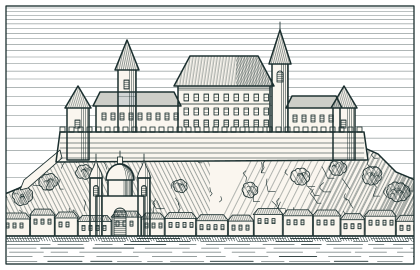
Illustration of mountains, a camera, and a landmark spire, for travelling and sightseeing across Austria.
Peaks, sights, and landmarks: exploring Austria.

Explore tourism topics

What else do people ask about travelling in Austria?

What is the Bundesmuseen Card?

The Bundesmuseen Card is an annual pass for €59 that covers eight Austrian federal museums, including the Kunsthistorisches Museum and the Belvedere. Visitors under 19 get free entry to all federal museums without it.

When is the best time to visit Austria?

Austria is a year-round destination. December to March brings the best snow in Tyrol, Salzburg and Vorarlberg, June to September is hiking season with the Alpine huts open, and April to May and September to October suit city trips to Vienna and Salzburg with fewer crowds.

How do you travel around Austria cheaply?

Book ÖBB Sparschiene tickets, which start at €9.90 in 2nd class and go on sale up to 6 months ahead, or buy the KlimaTicket Ö Classic at €1,400 a year for unlimited travel on all public transport. Regional Postbus lines reach smaller towns and trailheads.

How much do you tip in Austria?

In Austrian restaurants and hotels a tip of 5 to 10% is customary. Round up or tell the server the total you want to pay, and hand the tip directly to the server rather than leaving it on the table.

Sources